8500 €
| Dimensions | 140 × 110 cm |
|---|---|
| Colour | |
| Technique | |
| Support | canvas |
| Size | |
| Orientation | Vertical |
| Style | Expresionizmus, Surrealism |
| Theme |
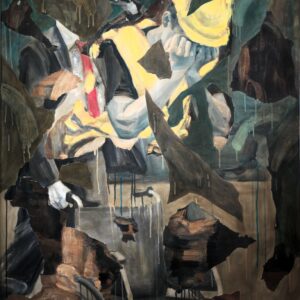
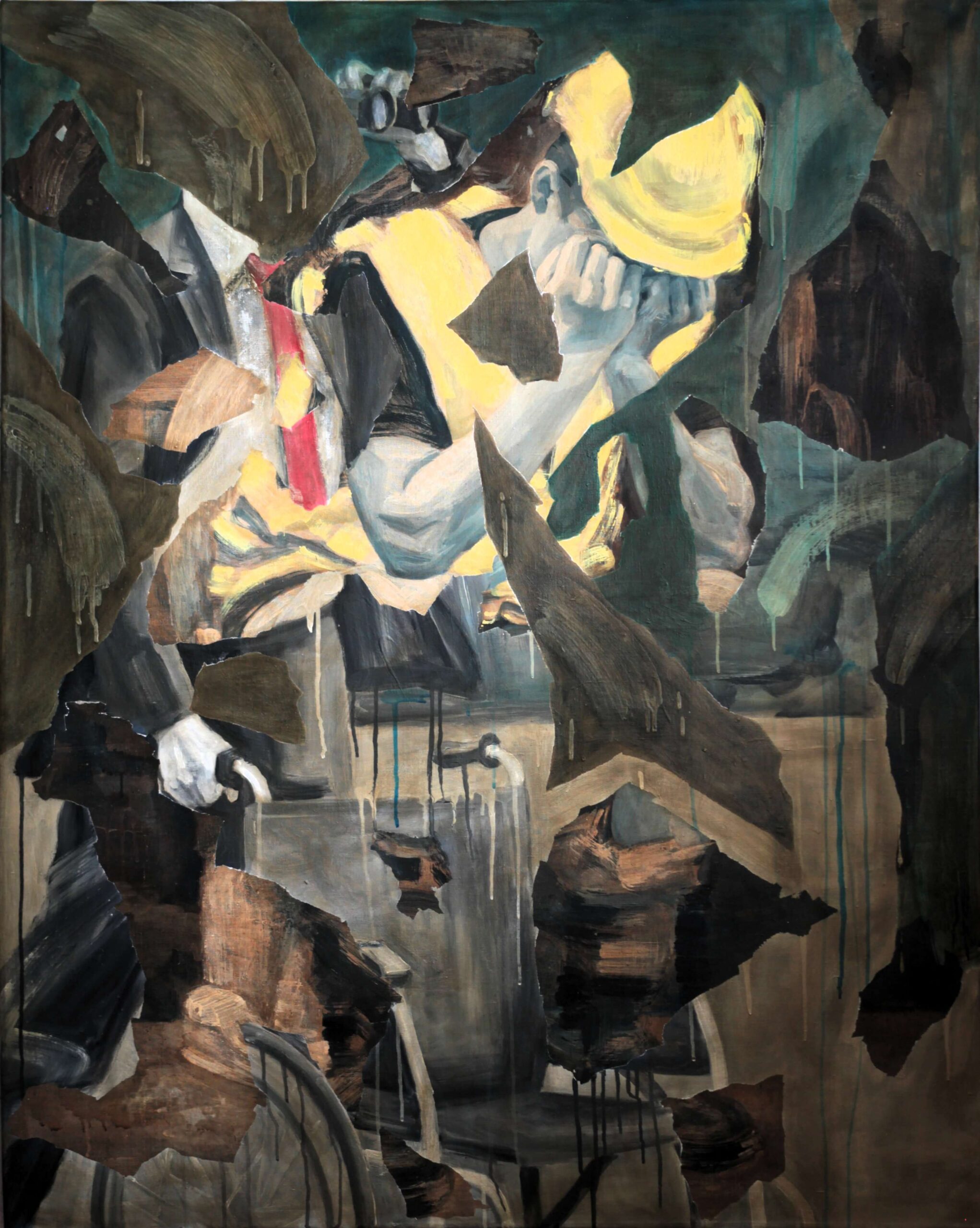
The painting has an intense and at the same time unsettling effect on the viewer. The artist employs contrasting elements that meet and engage in a silent struggle. The title suggests that this is not about classical harmony, but a visual representation of tension and discord.
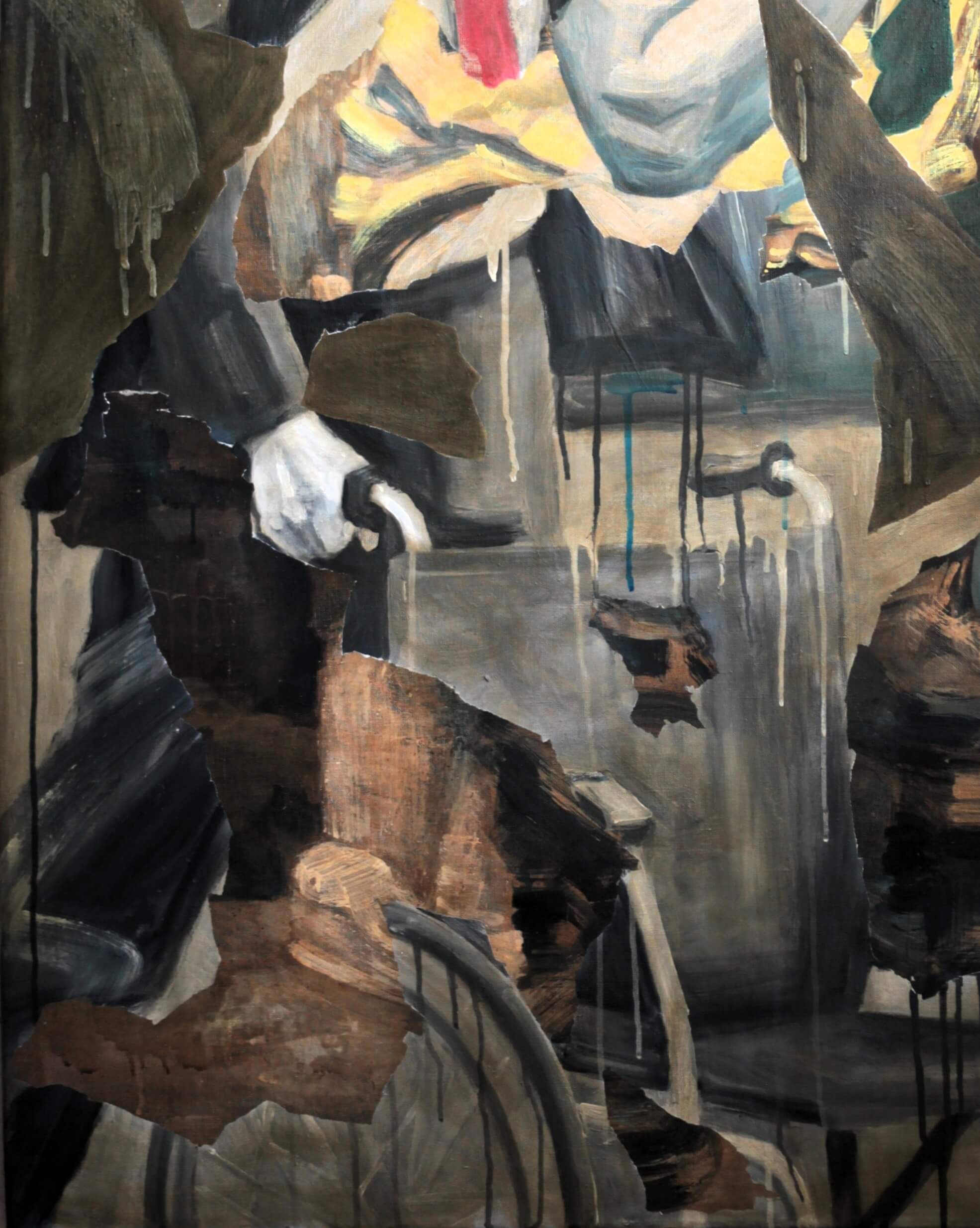
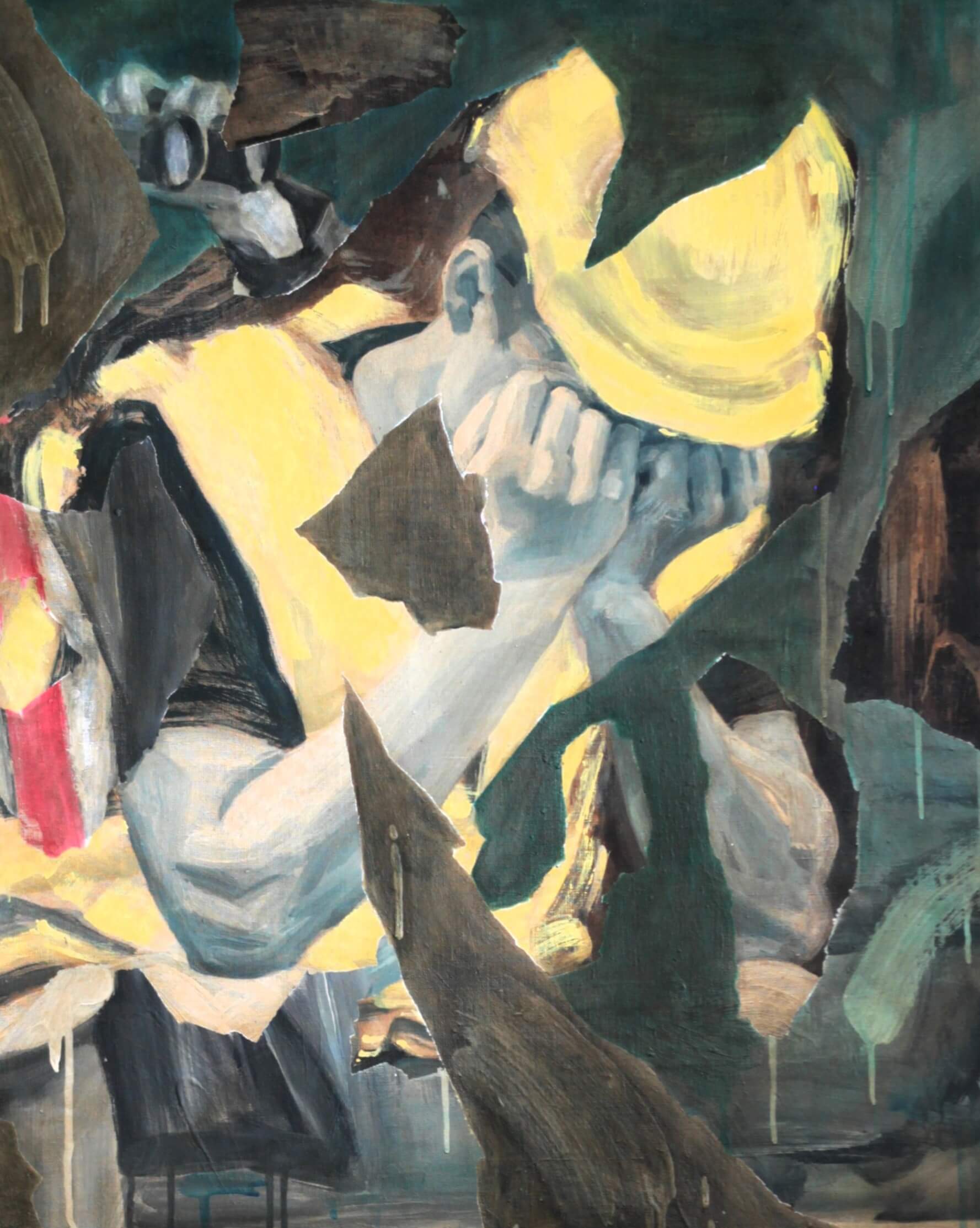
It is based on contrasts of form and color. Cool tones merge with warm ones, and dark areas confront light ones. The artist uses textures of varying density, creating a sense of layering. Brushstrokes leave visible traces, giving the painting energy and movement. Dense areas of color meet empty spaces, creating a contrast that makes the viewer’s eye constantly seek balance.
The painting does not convey calm. Rather, it evokes a sense of inner conflict and motion. Shapes shift in different directions, generating tension among themselves. The viewer senses that the individual elements are attempting to coexist, yet fail to do so. The result is emotional and dramatic.
Disharmonia I leaves space for personal interpretation. For some, it may be a metaphor for psychological unrest; for others, a depiction of social conflict. The empty spaces between forms act as pauses that emphasize the dynamics. Every detail reveals new meaning upon closer examination.