1100 €
| Dimensions | 100 × 70 cm |
|---|---|
| Colour | |
| Technique | |
| Support | paper |
| Size | |
| Orientation | Vertical |
| Style | Decorative, Figurative, Surrealism |
| Theme |
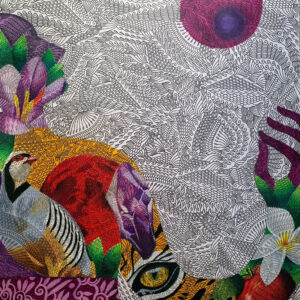
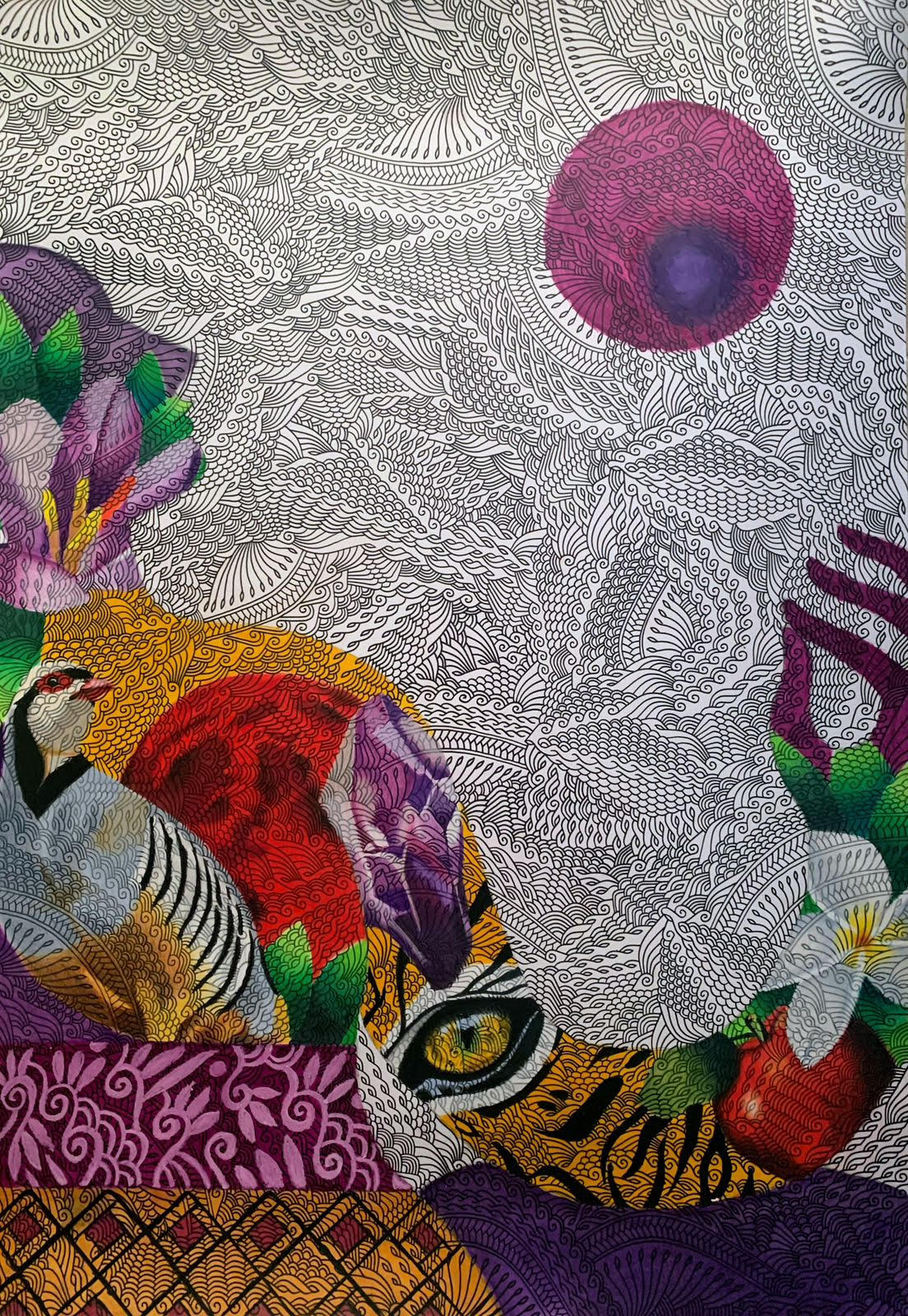
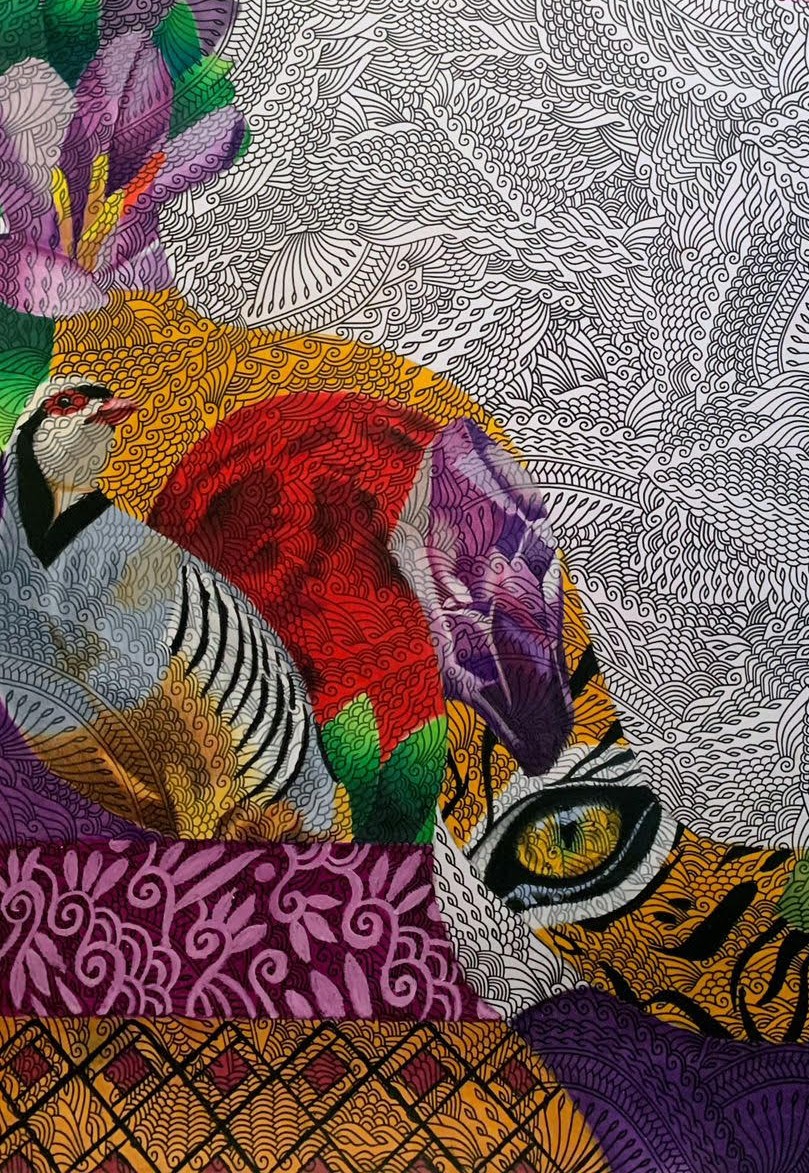
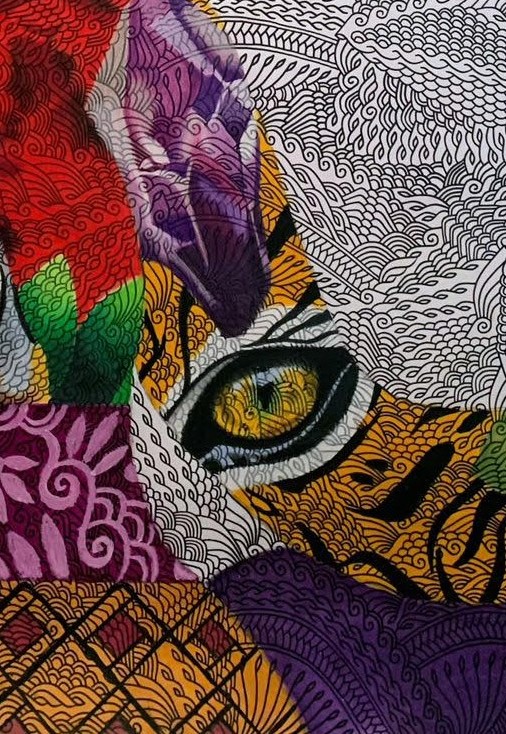
The Greek philosopher Pythagoras, father of philosophy and author of the term “philosophy” itself, traveled for 20 years through India, present-day Pakistan, Babylon, and Egypt, where he sought and studied mystical knowledge. This abstract portrait consists of symbols of these countries (especially India and Pakistan, as a reference to his stay and the influences he brought back from there). His fingers are depicted in an almost religious gesture, reminiscent of the blessing hands of Buddha or Jesus Christ. In Pythagoras’ case, however, his fingers are actually counting – a reference to his belief and philosophical theory about the power of numbers. He believed that numbers are God – they define everything in the universe and contain all the answers.